Canadian citizenship gives you additional rights, benefits and protections that are not available to Canada Permanent Residents, including the right to vote and the right to hold public office. Citizens are no longer required to meet residency and other requirements of Permanent Residents.
There are many differences between Canada Permanent Residents and Canadian Citizenship. PRs who do not become citizens are not entitled to the same rights and privileges as citizens. Penalties for committing a crime in Canada for citizens are different from permanent residents and temporary residents - including permanent deportation from Canada.
Benefits of Canadian Citizenship
Canada Permanent Residents are not entitled to the same rights and privileges as Canadian citizens. Citizens are entitled to many benefits, rights and protections that are not available to PRs.
Canada Permanent Residents have rights including:
- Rights to the same social benefits as any Canadian citizen, including healthcare coverage.
- The right to live, work, study anywhere in Canada.
- Protection under Canadian law and the Canadian Charter of Rights and Freedoms.
- The right to apply for Canadian citizenship.
- The right to live outside of Canada if they have lived in Canada for at least two years in a five-year period. If you live outside of Canada for longer, you may lose your status.
Canadian citizens have all the privileges that permanent residents are entitled to, but also have additional protections and privileges including:
- vote
- run for federal office
- hold jobs that require a high-level security clearance
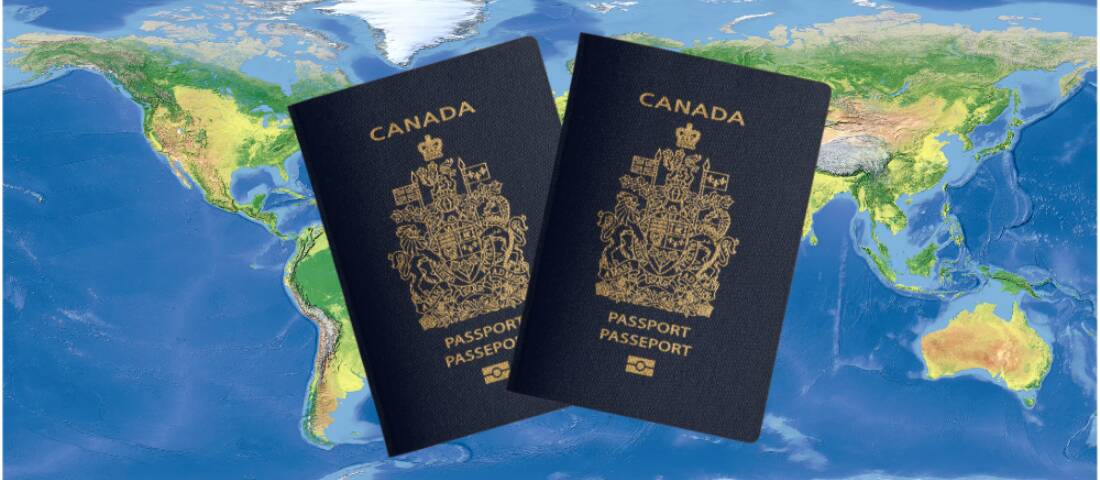
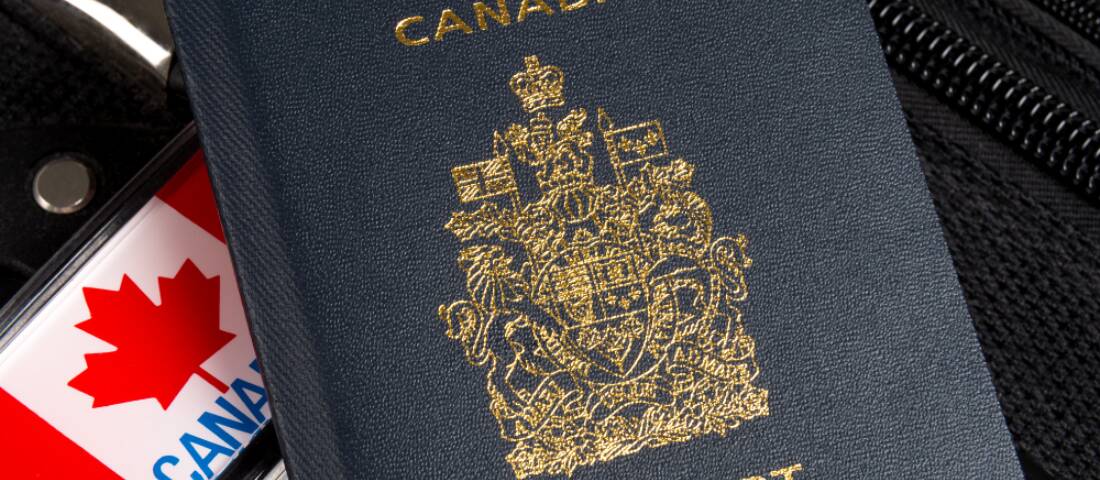
- get a Canadian passport that entitled you to visit many other countries and to enter, remain in, and leave Canada
- children born outside of Canada to Canadian citizens automatically also become Canadian citizens
- if you are a Canadian citizen and are not a dual citizen of another country, you cannot be deported or lose your citizenship except in very limited situations
The penalty for committing crimes in Canada is different for citizens versus permanent residents or temporary residents. Non-citizens who commit certain crimes in Canada can face severe penalties that include permanent deportation from Canada.
How To Apply For Canadian Citizenship
Eligibility Criteria
There are many eligibility criteria to qualify to become a Canada citizen, including:
- be a Canada Permanent Resident
- be at least 18 years of age to independently apply for citizenship or qualify to apply for citizenship as a minor
- spent sufficient time living in Canada
- meet all Canadian income tax requirements
- pass language proficiency tests
- submit various supporting documents and fees
Canadian Armed Forces Fast Track Citizenship
Canada’s Armed Forces fast-track process for citizenship speeds up the citizenship application process for members of the military:
- permanent residents serving in the Canadian Armed Forces
- foreign military members on exchange with the Canadian Armed Forces
If you are a current or former member of the Canadian Armed Forces (CAF) you can apply for citizenship using a fast-track process.
Canadian Citizenship Test
Meeting eligibility requirements for Canadian citizenship does not guarantee you can become a citizen. If you are between 18 and 54 years of age when you apply for Canadian citizenship, you must take the citizenship test. All the test questions are based on the Discover Canada Guide.
- Applicants must study this guide in order to prepare for the test.
- The guide is available in both English and French.
- The time and place of the test is provided once the application is processed and you learn the results immediately after completing the test.
Download our free eBook:
How to Prepare for the Canada Citizenship Test
Your Canadian citizenship application can be denied for many reasons including
- legal or criminal issues
- failing the citizenship test
- insufficient English or French language skills
- failure to prove you meet the residency requirements
- your citizenship was revoked within the past 5 years
Learn More About How To Become A Canadian Citizen:
- Canada Permanent Residents Can Now Submit Citizenship Applications Online
- Caution: Why Canada Permanent Residents Should Become Citizens
- How to Prepare for the Canada Citizenship Test – Free Checklist
Do You Have Questions About Becoming a Canadian Citizen?
Applying for Canadian citizenship for your or your family members can be confusing and overwhelming. A simple paperwork mistake, missed deadline or a forgotten document can cost you time, money and stress. An experienced immigration lawyer can guide your journey to Canadian citizenship and help
Contact the immigration professionals at Ackah Business Immigration Law today at (403) 452‑9515 or email us directly.
FAQs
Who Is Eligible to Apply for Canadian Citizenship?
To qualify, most adults must be permanent residents, have at least 1,095 days of physical presence during the five years before signing, meet tax-filing obligations if required and not be subject to a prohibition. Applicants aged 18 to 54 must also prove language ability and pass the citizenship test. Ackah Law can review your eligibility before you apply.
What Counts as Physical Presence for Canadian Citizenship?
Each day in Canada after becoming a permanent resident counts as one full day. Eligible time spent in Canada as a temporary resident or protected person counts as half a day, up to 365 days. Your five-year eligibility period must include at least 730 days as a permanent resident. Certain Crown servant exceptions may also apply.
How Do I Calculate My Physical Presence for a Citizenship Application, and What Are Common Mistakes?
You need at least 1,095 eligible days in the five years before signing your application. Use IRCC’s physical presence calculator and record every absence, including short trips. Common mistakes include incorrect travel dates, missed absences and overcounting pre-PR time. IRCC recommends applying with a buffer. Ackah Law can review complex calculations.
What Are the Language Requirements for Canadian Citizenship?
Applicants aged 18 to 54 when they sign must demonstrate CLB or NCLC Level 4 speaking and listening skills. Accepted proof may include English- or French-language education, government-funded language training or approved results from CELPIP-G, IELTS General Training, PTE Core, TEF Canada or TCF Canada. Qualifying expired test results may also be accepted.
What Is Covered in the Canadian Citizenship Test?
The citizenship test covers citizens’ rights and responsibilities and Canada’s history, geography, economy, government, laws and symbols. All questions are based on the official Discover Canada study guide. The test does not assess language skills, although IRCC may evaluate how applicants communicate during the application process. Applicants aged 18 to 54 normally take the test.
What Does the Citizenship Test Involve, and How Should I Prepare?
The test has 20 multiple-choice or true-or-false questions, lasts 45 minutes and requires 15 correct answers to pass. Applicants have three opportunities to pass. Most take the test online, although IRCC may arrange an in-person or Microsoft Teams format. Prepare by studying the Discover Canada guide and using IRCC’s official practice questions.
How Long Does a Canadian Citizenship Application Take?
Canadian citizenship processing times vary, so there is no guaranteed 12-month timeline. The process may include completeness checks, background verification, a citizenship test or interview and the oath ceremony. Incomplete or complex applications can take longer. Check IRCC’s current processing-time estimate before applying.
Can Children Born Abroad to Canadian Citizens Become Citizens?
Yes. A child born abroad may already be Canadian by descent. For births before December 15, 2025, most people born abroad to a Canadian parent are citizens, including many beyond the first generation. For later births, a Canadian parent who was also born abroad generally needs 1,095 days in Canada before the child’s birth. A citizenship certificate proves status.
My Parent Is a Canadian Citizen, but I Was Born Abroad. Am I Automatically a Citizen?
Possibly. If your parent was Canadian when you were born, you may already be Canadian rather than needing to apply to become one. Your birth date, your parent’s citizenship history and where your parent was born can affect the result. Apply for a citizenship certificate to confirm your status. Ackah Law can assess complex family histories and supporting records.
Does Ackah Law Assist with Citizenship Applications?
Yes. Ackah Law assists citizenship applicants by assessing eligibility, reviewing physical presence and tax history, preparing forms and supporting documents and explaining the test, interview and ceremony process. The firm can also advise on citizenship by descent and complex files. Learn more about Ackah Law’s Canadian citizenship application services.